
Most men notice semen volume at some point, and many wonder whether a daily capsule can change it. Supplements to increase semen volume can help most when they fix a real nutrient gap and pair with good habits like hydration, sleep, and a balanced diet, but no pill has strong proof of adding fluid volume in healthy men. Formulas like Volumaxx and Semenax bundle nutrients tied to male reproductive health, and many men use them as one part of a broader plan for sexual performance and confidence.
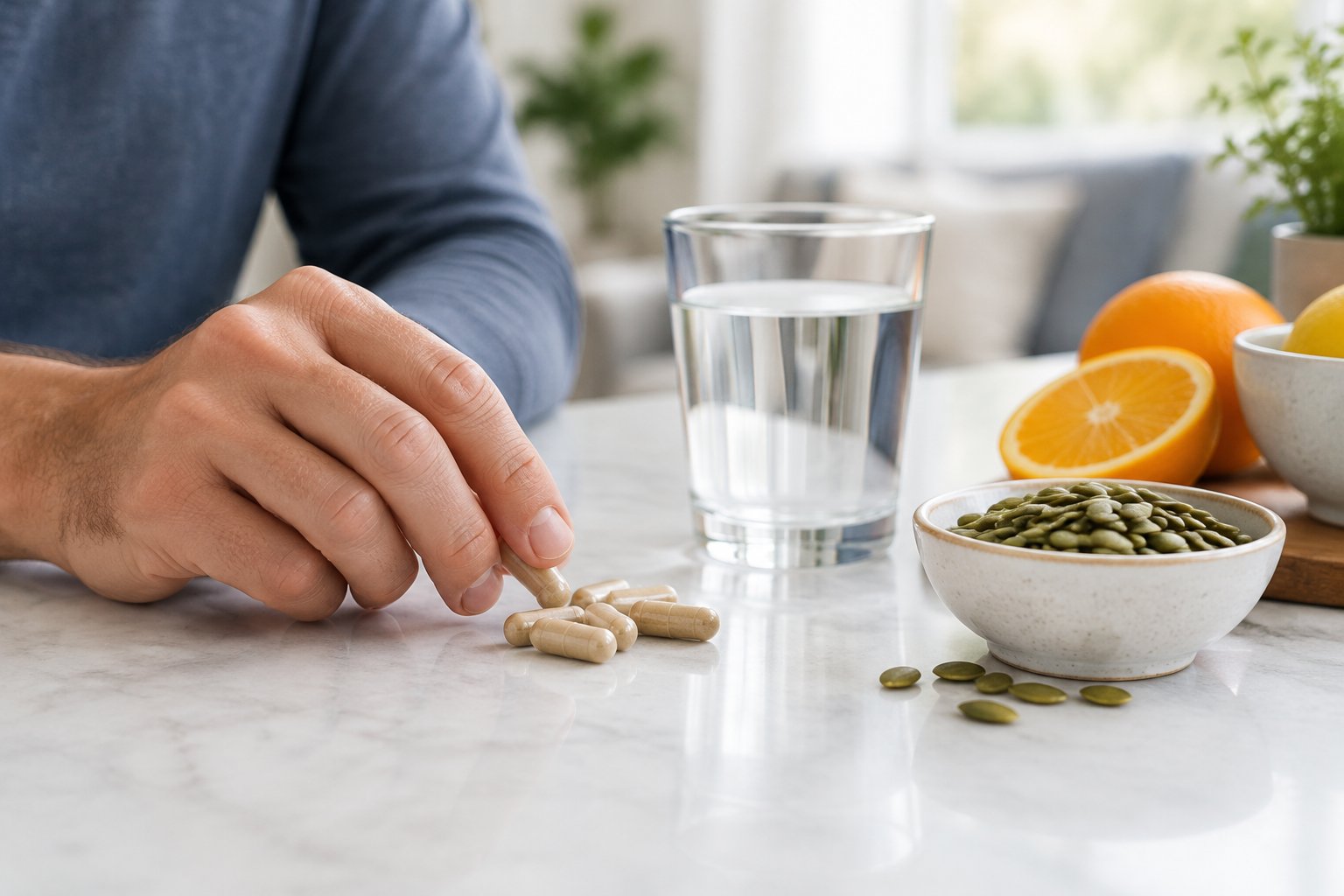
The upside is real if your expectations are clear. Zinc, folate, CoQ10, and antioxidants support sperm health, and men who are low in key nutrients have the most to gain. When you know what drives volume, you can pick a product with honest ingredients, give it a fair trial, and spot signs that call for a doctor.
Key Takeaways
- Volume formulas work best as support for nutrition and lifestyle habits.
- Most semen fluid comes from glands, so sperm-focused nutrients affect quality more than amount.
- Persistent low volume, pain, or blood in semen needs a medical check before you add pills.
Do Semen Volume Supplements Actually Work?

Semen volume supplements show their clearest benefits for sperm quality, with smaller and less consistent effects on the amount of fluid. Men with a nutrient shortfall stand to gain the most, and fertility outcomes depend on many factors beyond lab numbers.
What Does Research Show About Ejaculate Volume?
Trials on ejaculate volume give mixed results. Many studies track sperm parameters such as count and motility first, and volume second. A meta-analysis of randomized trials found that some nutrients beneficially modulated sperm quality, though small study sizes limited firm conclusions. Volume changes, when seen, were modest.
That pattern makes sense. Antioxidants and minerals act on sperm cells, while most fluid comes from glands that respond to hormones, hydration, and time between ejaculations. So a formula can support semen parameters without doubling what you see.
Who Might Benefit from Correcting a Nutrient Deficiency?
Men with a real shortfall have the best odds of noticing a change. Low zinc is linked to poorer sperm production, and restoring normal levels supports healthy male fertility. You are more likely to be low if you eat few whole foods, drink heavily, follow a restrictive diet, or have a gut condition that limits absorption.
A blood test can confirm many deficiencies. If you already eat well, a quality formula acts more like insurance, and gains will be subtler.
Why Better Sperm Parameters Do Not Guarantee Better Fertility
Improved lab results and pregnancy are two separate outcomes. A large randomized trial published in JAMA gave 2,370 men 5 mg of folic acid and 30 mg of zinc daily and found no improvement in semen quality or live birth rates compared with placebo. Sperm quality matters for conception, yet egg quality, timing, and the female partner’s health all play a role too.
What Determines Semen Volume?

Your glands, hormones, hydration, and how often you ejaculate set your semen volume. Sperm cells make up only a tiny share of each ejaculate, and normal ranges vary widely from man to man.
Semen Volume vs. Sperm Count: What Is the Difference?
Semen volume is the total amount of fluid released. Sperm count is how many sperm cells that fluid holds, and sperm concentration is the number per milliliter. Sperm volume barely registers in the total: sperm make up roughly 5% or less of semen.
This means a man can have normal sperm count with low volume, or the reverse. A sample with lots of fluid can still carry few sperm.
How the Seminal Vesicles and Prostate Produce Fluid
Two glands create most of the seminal fluid. The seminal vesicles supply about 65% to 75% of seminal plasma, including fructose that fuels sperm. The prostate adds about 25% to 30%, and prostate fluid contains zinc, enzymes, and citric acid.
Semen production in these glands depends on testosterone, hydration, and rest between ejaculations. That explains why volume rises after a few days without sex and drops after frequent release.
What Is a Normal Semen Volume?
Most labs treat a normal semen volume as about 1.5 mL or more per ejaculate. Many clinical studies use semen volume of 1.5 ml or higher as a reference point. The latest World Health Organization manual lists the lower limit at 1.4 mL. A typical range sits around 1.5 to 5 mL, and your own number shifts from day to day.
Which Nutrients Have Evidence for Sperm Health?
Zinc, folate, CoQ10, L-carnitine, and antioxidant vitamins have the strongest research for sperm health, with most effects seen in motility and morphology. Vitamin D and omega-3 fatty acids show promise, mainly in men with low levels.
Zinc and Folate: Essential Nutrients, Not Guaranteed Volume Boosters
Zinc supports testosterone metabolism, sperm production, and prostate fluid. Folate (folic acid in supplement form) helps cells copy DNA correctly during sperm formation. Common daily targets include zinc at 11 mg daily along with 400 mcg of folate.
Zinc deficiency clearly harms sperm health, so correcting it helps. In men with normal levels, extra zinc shows less benefit, and very high doses carry risks.
CoQ10 and L-Carnitine: What Motility Studies Suggest
CoQ10 (coenzyme Q10) and L-carnitine help sperm cells make energy. Sperm need that energy to swim, so it is no surprise that sperm motility is where these two shine. Several trials in men with low motility report better movement after about three months.
These nutrients appear in many fertility blends. Their benefits center on how sperm move, with little direct effect on fluid amount.
Vitamins C and E and Selenium: Understanding Antioxidant Evidence
Antioxidants protect sperm from oxidative stress, a type of cell damage that harms sperm DNA and movement. Vitamin C, vitamin E, and selenium are the most studied. In one double-blind trial, selenium and N-acetyl-cysteine improved semen parameters in infertile men.
Quality of evidence varies across products. A scoping review flagged the lack of evidence behind over-the-counter antioxidant supplements sold for male fertility, so look for formulas built on studied doses.
Vitamin D and Omega-3 Fatty Acids: Potential Benefits and Limits
Vitamin D supports testosterone and sperm motility in men who are low. Some studies show a significant androgen increase after vitamin D supplementation, which may support sperm production. Omega-3 fatty acids from fish oil help build healthy sperm membranes and are linked to increased seminal plasma DHA levels. Both work best when your baseline intake is low.
What About Herbs and Other Volume-Formula Ingredients?
Herbs and amino acids in volume formulas have the thinnest evidence, though a few show encouraging early results. Ashwagandha and maca have the most promising small studies, while blood-flow ingredients target erections more than fluid.
Ashwagandha and Maca Root: What Small Studies Can Tell Us
Ashwagandha (Withania somnifera) is an adaptogen tied to lower stress and better testosterone levels. Small trials in men with fertility issues report gains in sperm count, motility, and sometimes semen volume. Maca root, from Peru, is linked to better libido and modest sperm improvements in short studies.
These results are encouraging, yet the trials are small. Treat these herbs as helpful extras for sexual wellness and mood.
L-Arginine, Ginseng, and Horny Goat Weed: Blood Flow Is Not Fluid Volume
L-arginine is one of the amino acids your body uses to make nitric oxide, which widens blood vessels. Ginseng and horny goat weed act on circulation and erections through similar pathways. Better blood flow can improve erection quality and how sex feels, which many men value.
Fluid volume comes from gland output, so expect these ingredients to support performance more than milliliters.
Pygeum and Lecithin: Popular Ingredients with Limited Direct Evidence
Pygeum, from African cherry bark, is studied for prostate symptoms in older men. Lecithin is a fat-based compound that many users credit with heavier loads. Neither has solid clinical trials showing more semen. Both are low risk for most men, so you can view them as optional add-ons.
How to Choose a Formula Without Buying into Hype
A good formula lists every ingredient and dose, uses third-party testing, and fits your budget for at least three months. Products like Volumaxx, Semenax, and Popstar Labs can be worth trying when they pass those checks.
What to Check on Volumaxx, Semenax, and Popstar Labs Labels
Start with the Supplement Facts panel. Look for:
- Full dose disclosure for each ingredient, without hidden “proprietary blends”
- Studied nutrients such as zinc, folate, CoQ10, L-carnitine, or vitamin D
- Reasonable amounts that stay within safe upper limits
- Clear serving size and daily cost per serving
- A money-back guarantee long enough for a 90-day trial
If a brand advertises dramatic results in days, that claim deserves skepticism.
Why Ingredient Studies Do Not Prove a Finished Product Works
A study on zinc tests zinc at a set dose in a set group of men. A blend puts many ingredients together, often at different doses, and that finished formula is rarely tested as a whole. Supplement makers also do not need FDA approval before sale. A blend can still be useful, and you should judge it by its ingredient doses compared with the research.
How to Assess Doses, Quality Testing, and Cost
Compare each dose with amounts used in trials. Look for seals from NSF, USP, or an independent lab, which confirm the label matches the contents. Sperm take roughly 74 days to develop, so budget for at least three months. A product that costs less per month but lacks studied doses gives you less value than a pricier, well-dosed one.
Which Lifestyle Changes Support Healthy Semen Production?
Daily habits shape semen production as much as any capsule. Hydration, nutrient-rich food, sleep, and heat control support spermatogenesis and gland output, and they make any supplement work harder for you.
Hydration and Ejaculation Frequency: Set Realistic Expectations
Seminal fluid is mostly water, so staying hydrated keeps your body from rationing fluid. Extra water beyond normal hydration will not create big gains. Ejaculation frequency has a clearer effect: waiting two to three days lets the glands refill, and volume rises. Daily release lowers volume each time.
Foods That Support Nutrient Intake and Reproductive Health
Fruits and vegetables supply vitamin C, folate, and other antioxidants. Good choices include:
- Oysters, beef, and pumpkin seeds for zinc
- Leafy greens, beans, and citrus for folate and vitamin C
- Salmon and sardines for omega-3 fats
- Nuts and seeds for vitamin E and selenium
A Mediterranean-style diet links to better reproductive health markers in many studies.
Sleep, Exercise, Smoking, Alcohol, and Heat Exposure
Aim for seven to nine hours of sleep, since most testosterone is released overnight. Regular exercise helps, while extreme endurance training can lower hormone levels. Smoking and heavy drinking both harm sperm. Heat matters too: wearing loose-fitting underwear, sitting less, and avoiding saunas and hot tubs may improve sperm quality.
When Should You Seek Medical Advice Before Supplementing?
See a doctor before supplementing if low volume is sudden or ongoing, or if you have symptoms like pain. A semen analysis and a review of your medicines can uncover causes that pills will not fix.
Persistent Low Volume, Dry Orgasms, Pain, or Blood in Semen
Low semen volume that lasts for weeks can signal a blocked duct, infection, low testosterone, or retrograde ejaculation (semen flowing into the bladder). Dry orgasms point to the same issues or to side effects of certain medicines. Pain during ejaculation or blood in semen also needs a prompt exam. Diabetes, prostate surgery, and some blood pressure or mood drugs all affect volume.
What a Semen Analysis Can Reveal When Trying to Conceive
If you are trying to conceive and have fertility concerns, a semen analysis is the first step. It measures volume, sperm count, concentration, motility, and morphology. Results help a doctor spot male infertility early and decide if supplements, lifestyle changes, or treatment make sense. Couples are advised to seek testing after a year of trying, or six months if the female partner is over 35.
Supplement Interactions, Excess Doses, and Testosterone Risks
More is not better with supplements. Zinc above 40 mg a day can cause copper deficiency, and high vitamin E raises bleeding risk with blood thinners. L-arginine may lower blood pressure, which matters if you take nitrates or ED drugs. Avoid products with hidden hormones: outside testosterone shuts down your body’s own sperm production and can cause infertility.
Choose Support Based on Your Goals and Evidence
Your goals point you to the right plan. If you want fuller loads and more confidence, pair a well-dosed formula like Volumaxx or Semenax with hydration, rest between ejaculations, and a nutrient-rich diet. If sperm health or fertility is the goal, focus on studied nutrients such as zinc, folate, CoQ10, and antioxidants, and get a semen analysis. Give any product at least 90 days, check labels for full doses and testing, and see a doctor if semen volume stays low or you notice pain or blood.
Frequently Asked Questions
How long do semen volume supplements take to work?
Plan on about three months. Sperm take roughly 74 days to form, so changes in quality show up after a full cycle. Some men notice changes in sexual wellness sooner, mainly from better hydration and habits.
Can supplements increase semen volume overnight?
No supplement increases semen volume overnight. Gland fluid builds over days, and nutrient effects take weeks. Waiting a few days between ejaculations is the fastest way to see more volume.
Does drinking more water increase seminal fluid?
Staying hydrated supports normal seminal fluid levels, and dehydration can reduce them. Drinking far more than you need will not add much extra. Aim for pale yellow urine as a simple guide.
Which foods may support seminal fluid production?
Zinc-rich foods like oysters, beef, and pumpkin seeds support prostate fluid and sperm health. Leafy greens, citrus, fatty fish, and nuts add folate, vitamin C, omega-3s, and vitamin E. Fruits rich in natural sugars also supply fructose, the sugar seminal vesicles use.
Can I combine semen volume pills with a multivitamin?
You can combine them if you check for overlap. Add up zinc, vitamin E, selenium, and vitamin D from both products and stay below safe upper limits. Ask a pharmacist if you take prescription medicines.
Does more semen mean a higher chance of pregnancy?
More semen does not raise your odds of pregnancy on its own. Male fertility depends on sperm count, motility, and shape, plus your partner’s health and timing. Very low volume can lower odds, so get tested if conception is your goal.
Table of Contents
